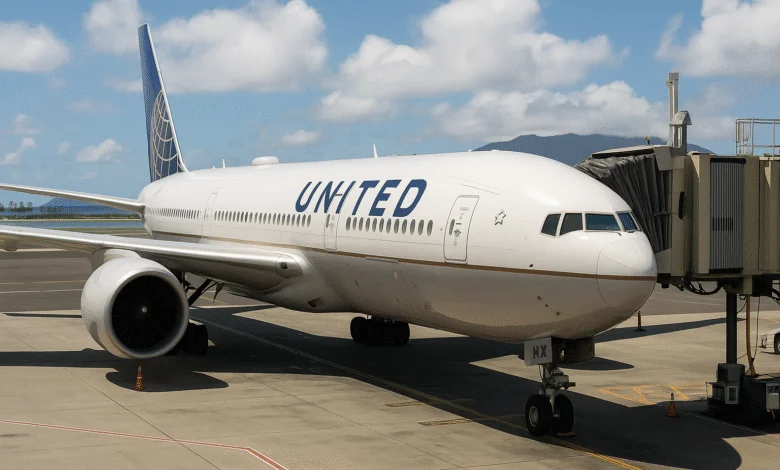
Traveling by air can sometimes be unpredictable. Whether it’s a slight delay or an emergency reroute, there are times when flights take unexpected turns. One of the most common reroutes happens when a plane is diverted to a different airport, and that’s exactly what happened with a United Airlines flight from Christchurch, New Zealand, headed to San Francisco. This article will explore the incident where a United flight from Christchurch to San Francisco was diverted to Honolulu and the many factors that contribute to such events. We’ll also look into what this means for passengers, airlines, and the broader aviation industry.
What Happened to the United Christchurch SFO Flight?
In an unexpected turn of events, a United Airlines flight en route from Christchurch, New Zealand, to San Francisco, California, had to make a detour and land in Honolulu. This situation raised concerns among travelers, leading to questions about the reasons behind such diversions and how it affects everyone involved.
Why Do Flights Get Diverted?
Before delving into the specifics of this particular diversion, it’s important to understand why flights are sometimes diverted. A diversion occurs when a flight cannot land at its intended airport due to various factors such as bad weather, technical issues with the plane, medical emergencies on board, or air traffic control instructions. In this case, the United flight’s diversion to Honolulu might have been caused by one of these reasons.
Bad Weather
One of the most common reasons for flight diversions is adverse weather. Weather-related diversions can happen due to storms, fog, or strong winds that make it unsafe to land at the original airport. In this case, it’s possible that weather conditions in San Francisco or along the flight route made it necessary for the flight to land at an alternative airport.
Aircraft Technical Issues
Another reason for a flight diversion could be mechanical issues with the aircraft. Planes are subject to rigorous maintenance checks, but sometimes problems can arise during the flight. If there’s a technical problem that needs immediate attention, the flight crew may decide to land at the nearest available airport.
Medical Emergencies
Medical emergencies on board are another reason for diversions. If a passenger falls ill or gets injured during the flight, the crew might choose to land at a nearby airport where medical assistance can be provided as soon as possible.
The Role of Honolulu in the Diversion
Honolulu, located on the island of Oahu in Hawaii, is a common stopover for flights traveling across the Pacific Ocean. The airport in Honolulu is one of the major hubs for transpacific flights, making it a natural choice for diversions. It’s well-equipped with facilities to handle emergency landings and to accommodate large numbers of passengers.
In this case, the United Airlines flight was diverted to Honolulu, where the plane likely received a thorough inspection. This was important not only to ensure the safety of passengers and crew but also to assess whether the flight could continue to San Francisco or if further action was required.
What Happened to the Passengers?
Flight diversions can be stressful for passengers, especially when they don’t know what’s happening. In the case of the United Christchurch to San Francisco flight, passengers were initially informed that the flight would be diverted, and they were expected to land in Honolulu. Here’s a look at what passengers experienced during this diversion.
Communication is Key
The key to managing a diversion effectively lies in communication. Passengers need to be informed about the reason for the diversion, how long they can expect the delay to be, and what steps the airline is taking to accommodate them. According to reports, United Airlines kept passengers updated during the diversion. This is crucial to reduce anxiety and ensure passengers feel supported.
What Happens to Passengers When a Flight is Diverted?
When a flight is diverted, passengers often have to wait for instructions on what will happen next. They might need to disembark at the diversion airport or wait for further information. In some cases, the airline may arrange for another flight to take them to their destination or provide hotel accommodations if the delay is prolonged.
In this particular incident, passengers would have been offered updates on whether they could continue to San Francisco after a brief stopover in Honolulu or if they needed to be rebooked on another flight. Some passengers may have opted to stay in Honolulu for a while, as Hawaii is a popular vacation destination.
Airline Support and Compensation
Airlines are generally required to offer support and compensation to passengers who experience long delays or diversions. This can include meal vouchers, hotel accommodations, and even flight rebooking. United Airlines would have likely provided compensation options to the passengers to make up for the inconvenience caused by the diversion.
The Impact of the Diversion on United Airlines
For airlines, diversions are both costly and time-consuming. Not only does it disrupt the flight schedule, but it also requires additional resources to manage the situation. Let’s explore how a diversion impacts the airline’s operations.
Financial Costs of Diversions
Diverting a flight to an alternative airport incurs additional costs. Airlines must bear the expense of fuel for the extra distance traveled, airport fees, and the cost of accommodating passengers. United Airlines would have also needed to provide additional ground services, including rebooking flights, providing meals, and ensuring that passengers were taken care of while the situation was resolved.
Reputation and Customer Trust
While diversions are not entirely avoidable, how the airline handles the situation can affect customer trust and reputation. Airlines that communicate effectively, provide timely updates, and take care of their passengers during diversions often maintain a positive relationship with their customers. United Airlines’ ability to handle the situation with transparency and care would have been crucial in preserving its reputation.
What Are the Lessons Learned from This Incident?
Every flight diversion offers lessons that can help improve future airline operations. Here are some key takeaways from the United Christchurch to San Francisco diversion to Honolulu.
Improved Communication Strategies
The importance of clear, consistent communication cannot be overstated. Airlines need to keep passengers informed and updated, especially during stressful situations like flight diversions. Ensuring passengers know what is happening, why it’s happening, and what their options are can greatly reduce frustration.
Better Preparation for Emergencies
Airlines and airports must be well-prepared for emergencies. This includes having clear procedures for flight diversions, providing adequate support to passengers, and ensuring quick and efficient handling of diverted flights.
Technological Solutions for Flight Monitoring
With advancements in technology, airlines can now track flight paths in real-time and predict potential disruptions. This allows for more proactive decision-making when it comes to diverting flights. By using more advanced flight monitoring systems, airlines can improve their ability to handle diversions quickly and efficiently.
Conclusion: Navigating the Unexpected
While diversions are an inevitable part of air travel, it’s how airlines handle them that makes the difference. United Airlines’ flight diversion from Christchurch to Honolulu highlighted the complexities of aviation, from safety concerns to passenger welfare. By understanding the reasons for diversions, the role of airports like Honolulu, and the experiences of passengers, we can better appreciate the logistics of air travel.
Although diversions can cause delays and inconvenience, they are ultimately in place to ensure safety. With improved communication, preparation, and technology, airlines can continue to manage these events smoothly, offering passengers a better travel experience even in the face of unexpected changes.
FAQs
1. Why was the United Airlines flight diverted from Christchurch to Honolulu?
Flight diversions can happen for various reasons, including bad weather, medical emergencies, or technical issues. In this case, the specific cause hasn’t been publicly disclosed, but diversions often occur to ensure passenger safety.
2. What happens to passengers when a flight is diverted to a different airport?
When a flight is diverted, passengers typically disembark at the new airport, where they may receive updates, meals, or hotel accommodations if necessary. The airline will then arrange further travel or rebooking options.
3. Is there any compensation for passengers affected by a flight diversion?
Yes, passengers affected by significant delays or diversions may be entitled to compensation, such as meal vouchers, hotel stays, or rebooking on another flight, depending on the airline’s policies.
4. How does a diversion affect the airline’s operations?
Diversions can be costly for airlines, requiring extra fuel, airport fees, and resources for rebooking and accommodating passengers. They also disrupt flight schedules and can impact customer satisfaction.
5. Can diversions be prevented?
While some diversions are unavoidable, airlines can minimize the risk by using advanced technology to track flight paths and weather conditions, enabling them to make proactive decisions and manage potential disruptions.